




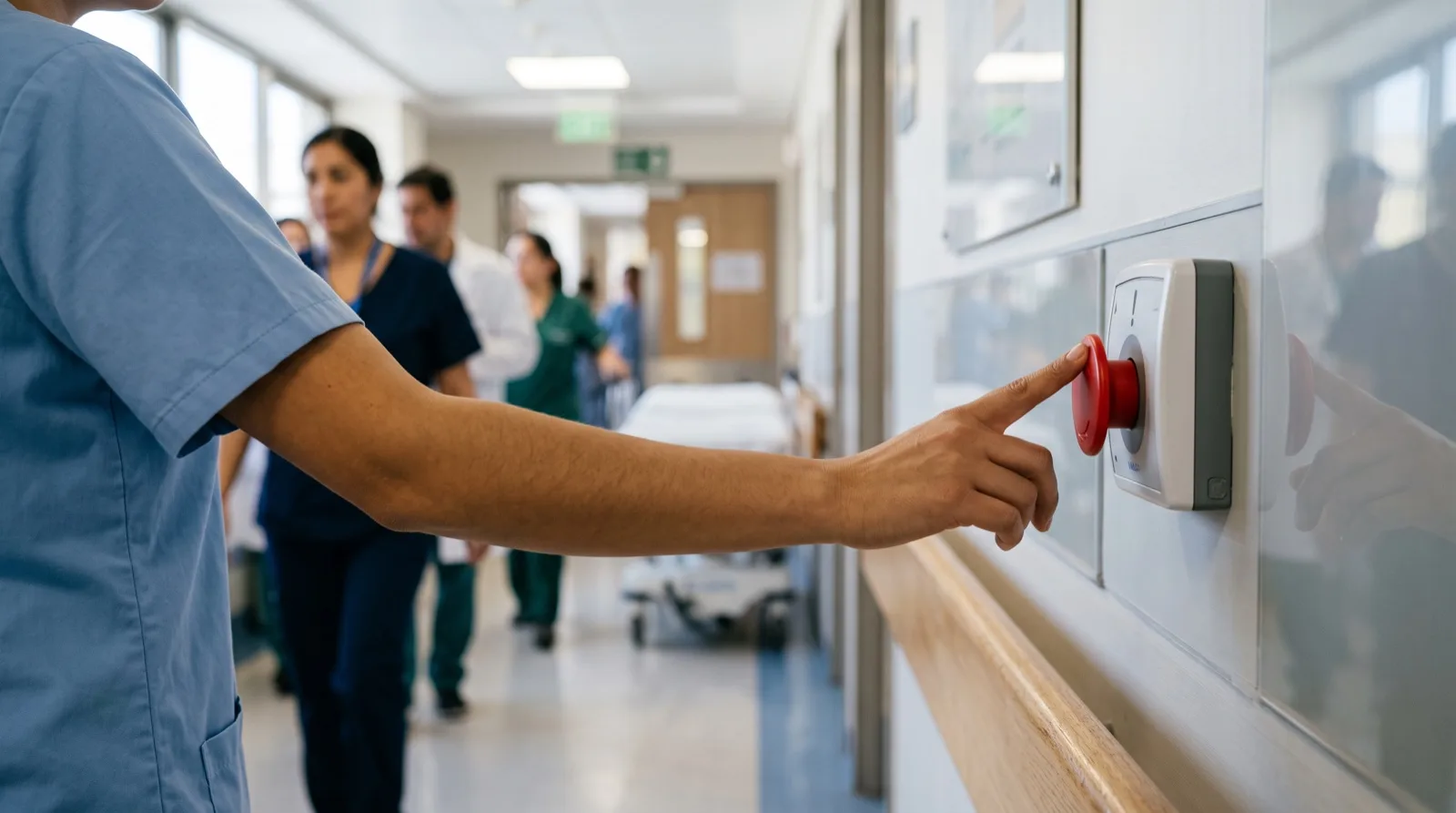
In 2013, at a university hospital in San Diego, in the United States, a patient went missing from his room. The nurses pressed the panic button twice and nobody responded: it had been broken for eight days. When regulators reviewed the system, they found that more than one in four buttons at the institution's two hospitals didn't work, and that nobody was testing them. The hospital was fined 100,000 dollars.
The button existed. What failed was everything that was supposed to happen next.
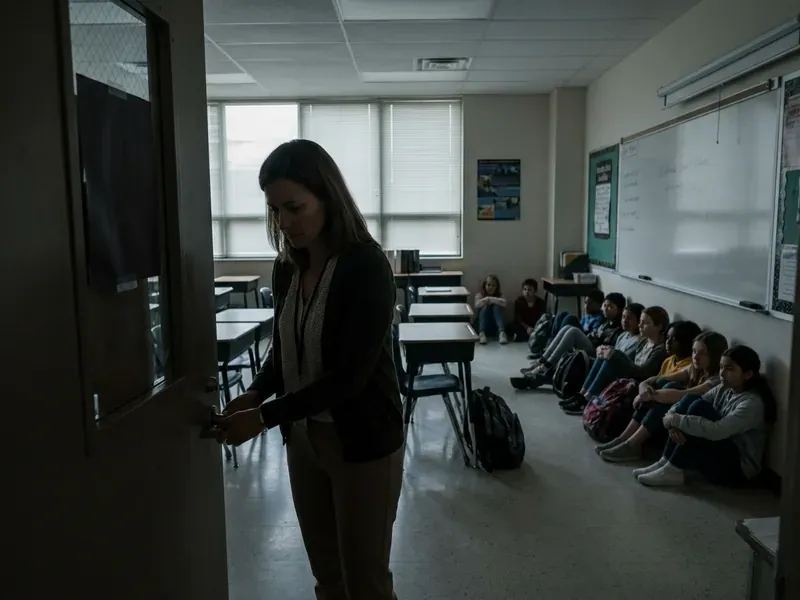
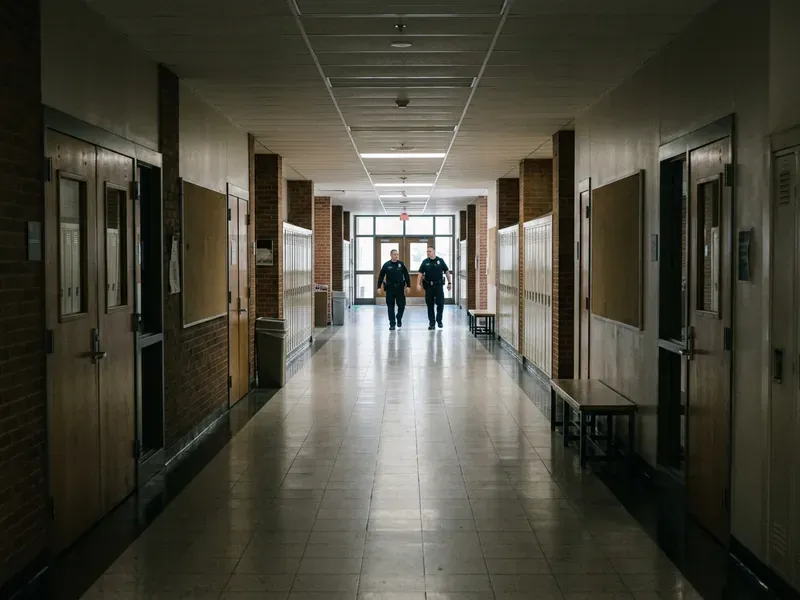
More and more organizations have panic buttons, and in several places the law requires them: in schools in more than ten US states, in hotels in Chicago and New Jersey for staff who work alone in a room, and in the United Kingdom for any lone worker. In healthcare, the World Health Organization estimates that between 8% and 38% of health workers suffer physical violence at some point in their careers. But the law requires the button; it doesn't say what happens next.
Why they fail
Nobody notices the button doesn't work. Beyond the San Diego case, in Australia health workers in New South Wales described to a special commission alarms that didn't respond when activated, even though the self-test said they were connected. They need to be tested.
The alert doesn't reach everyone. In the 2022 school shooting in Uvalde, Texas, the state House report concluded that poor Wi-Fi probably delayed the lockdown alert and that not all teachers received it in time. A single channel isn't enough.
Too many alerts. The same report notes that the school had received about 50 alerts in the preceding months. When everything is an alert, nothing is.
Nobody confirms and nobody escalates. In Chile, a 2024 survey by the Medical Association found that only 6% of physicians believe the protocols for assaults at their workplace work well.
And when the system is well designed, it shows. In September 2024, at Apalachee High School in Georgia, teachers had a badge with a panic button that alerted the administration and the school's police officers at the same time, and it had been tested the day before. According to the sheriff, the attacker was detained about six minutes after the first alert.
What should happen after it's pressed
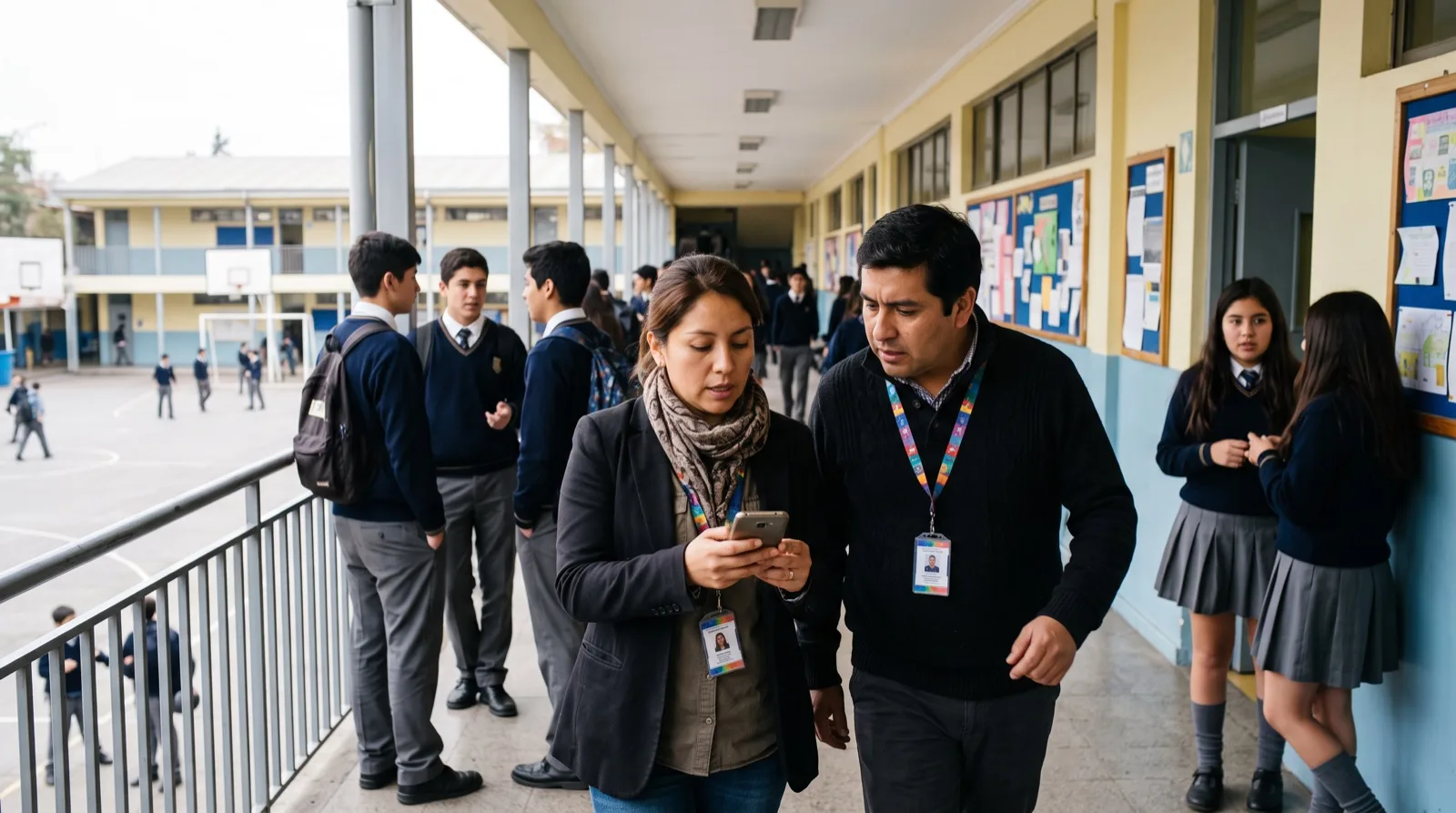
With VIPER MASS, pressing the button, whether in the VIPER GO app or in another provider's system connected by API, triggers a scenario prepared in advance for that type of emergency and that place:
- The alert reaches the right people, with the exact location: room, floor, tower or point on the map.
- It arrives by app, text message, voice call, WhatsApp and email at once, in 19 seconds. If it must not give anyone away, as in a lockdown, it can arrive silently.
- Recipients confirm from their phone, and everyone sees who is already on the way.
- If the primary contact doesn't answer, the system alerts the backup.
- The time of the alert, of every message and of every reply is recorded.
In a school, a teacher asks for help without leaving the classroom, and the discipline office, security and the principal respond. In a hospital, the code blue reaches the team on shift with tower, floor and room. In a branch office, the alert silently reaches the head of security without alarming the public.
Six questions to review your panic button
- If someone presses it now, who receives the alert? And if that person isn't there?
- Does the alert say exactly where?
- Does the person who pressed it know someone is coming?
- Is there an automatic backup if nobody responds?
- Would you know if a button stopped working?
- Have you tested it in a drill this year?
If any answer is "I don't know", the problem isn't the button, it's what happens next. That is VIPER's focus: making sure that every time someone presses a button, the response is coordinated, whether it comes from our app or from the button you already have. Book a VIPER MASS demo or write to us to review your case.