





Many emergency plans include a call tree, also known as a phone tree or communication tree. One person calls five, each of them calls five more, and anyone who doesn't answer is reported to the emergency team. It's simple, it costs nothing and everyone understands it.
The problem is that it depends on everyone answering. And the data show that, in a real emergency, they don't.
Where it breaks
Nobody answers. According to the Pew Research Center, only 19% of people answer a call from a number they don't recognize. And the Business Continuity Institute (BCI) Emergency Communications Report 2024 found that 62% of communication failures in emergencies happened because recipients didn't respond.
Contact details are wrong. The same report attributes 41% of failures to inaccurate contact information. A list reviewed once a year is out of date long before that, and contractors are almost never on it.
Time adds up, especially at night. In an unannounced drill at a hospital in Singapore, published in 2023, the call tree was activated to summon 25 senior physicians. At two in the morning, only 9 could be reached in the first 15 minutes.
The voice network is the first to saturate. In the 2011 Japan earthquake, carriers restricted between 70% and 95% of voice calls to keep the network from collapsing, while text messages faced much lighter restrictions. During the 2013 Boston Marathon bombing, the cellular network was so congested that many people thought it had been shut down. That is why US authorities recommend using text messages in an emergency.
People don't know what to do. The BCI found that 36% of failures happened because recipients didn't know what to do with the message. In a call tree, the message is passed from mouth to mouth and gets distorted along the way.
A text message alone isn't enough either
The obvious answer would be to send everyone a text. But a 2018 trial in three Montreal hospitals shows it isn't that simple. At four in the morning, 132 emergency department staff were called in through three different channels. Within 45 minutes, 41% responded to the call tree, 25% to a messaging app and just 16% to a text message. The authors attribute this partly to staff not being familiar with the new tools.
The lesson isn't to go back to the phone. It's that replacing the call tree requires three things a single text message doesn't have: several channels at once, confirmation of who received the alert, and practice, so people recognize it and know what to do.
What it looks like automated
With a mass notification system like VIPER MASS, the alert doesn't travel level by level: it goes out to everyone at the same time.
- The same message for everyone, taken from a template with clear instructions.
- By app, text message, voice call, WhatsApp and email at once, in 19 seconds.
- Each person replies, for example "I'm safe" or "I need help", and managers see in real time who is missing.
- If the primary contact doesn't answer, the system calls the backup, without anyone having to remember.
- The time of every message and every reply is recorded, and each alert shows which numbers failed.
Three VIPER cases
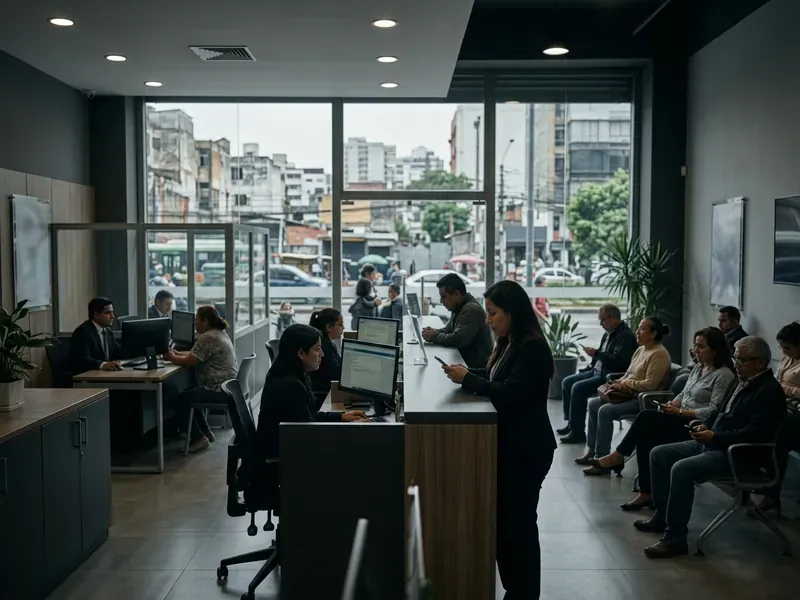
Peru. A savings and loan institution with branches in several regions uses VIPER MASS during cyberattacks, when email and internal systems may be down. Notifying its 1,500 employees by phone used to take about an hour. Now the alert reaches them by WhatsApp, text message and call, and in less than five minutes the institution knows who received it.
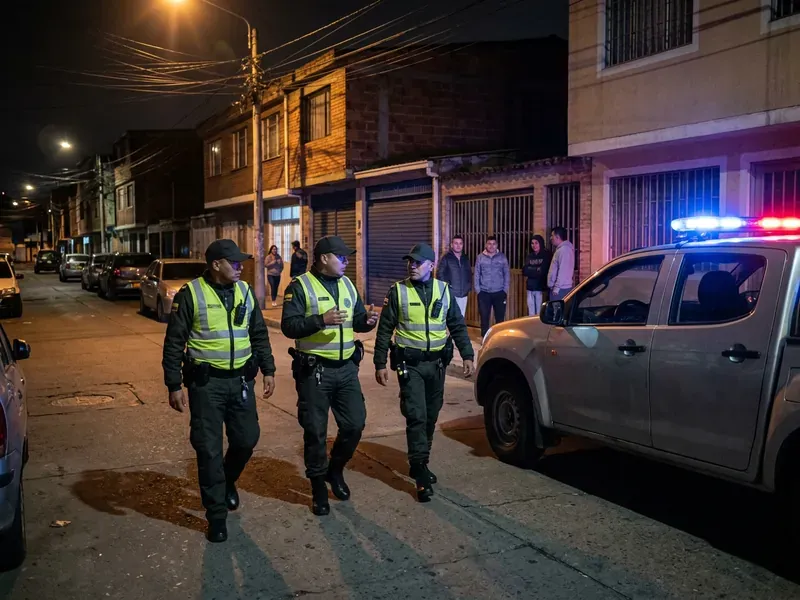
Ecuador. In the National Tsunami Drill of January 2025, organized by the National Risk Management Secretariat with some 11,000 people, VIPER MASS sent more than 10 mass notifications to authorities and more than 50 alerts to response teams. The earthquake, the tsunami warning and the evacuation reports reached everyone at the same time, without being passed from hand to hand.
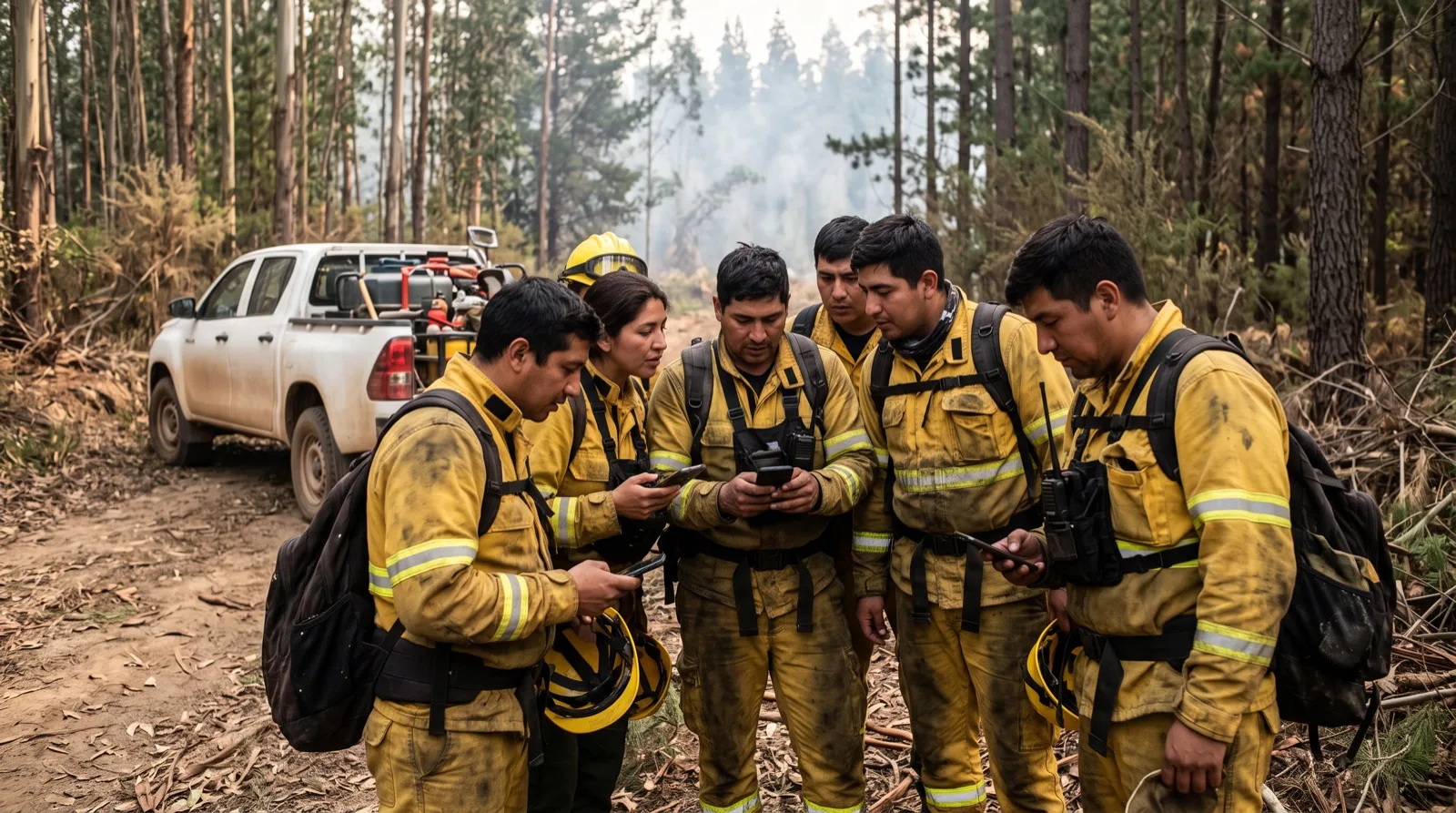
Brazil. A forestry company uses VIPER MASS in its operations in Brazil. Each region has its own fire scenario, so whoever triggers the alert immediately sees which area is affected. Each person receives the alert in their own language, and the system records who received it, through which channel and how long the call lasted.
How to make the move
- Start from the tree you already have: roles, groups and backups are loaded just as they are in the plan.
- Prepare messages for the most likely scenarios, with concrete instructions.
- Include the people the tree leaves out: contractors, night shifts and other sites.
- Run drills, at night too, and measure how long it takes for the last person to confirm. Here we explain how to measure a drill.
- Keep the call tree as a backup until drills show that the new system works better.
Want to see how it would work with your current call tree? Book a VIPER MASS demo.